
Is Hemlock Good Firewood?

Is hemlock good firewood? If you’re trying to decide which firewood to use this winter, you might be curious about whether hemlock is a good option.
Let’s get straight to it: yes, hemlock can be used as firewood, but there are some things you should know before you start burning it.
Hemlock is a type of coniferous softwood tree, belonging to the pine family (Pinaceae). It is commonly known as Eastern Hemlock or Western Hemlock, depending on the species and region.
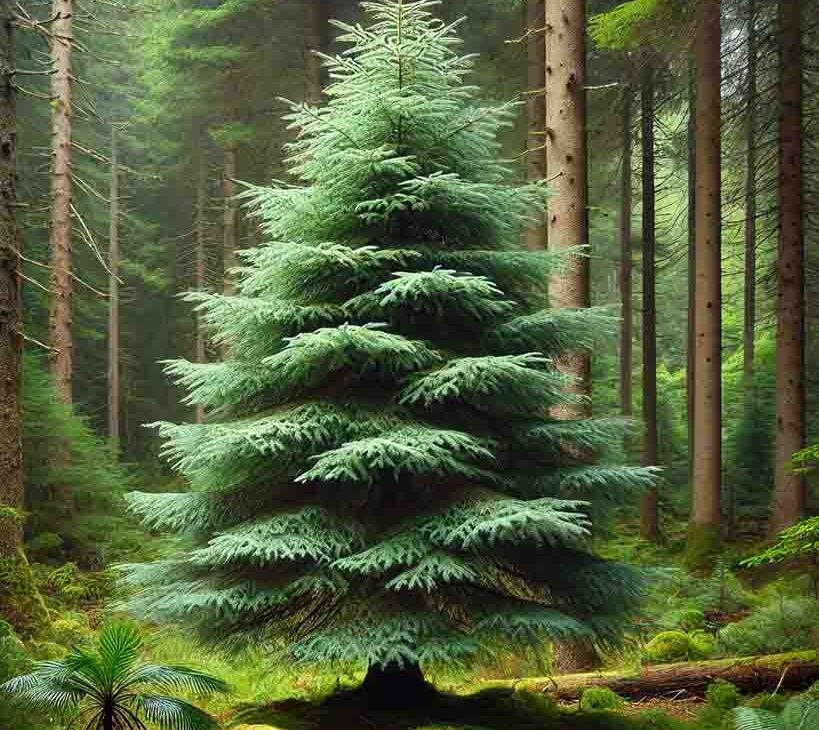
Hemlock trees are known for their tall, straight trunks and soft, needle-like foliage. This type of wood is commonly found in North America, particularly in the Pacific Northwest and the Northeastern United States.
Hemlock has unique qualities, such as a moderate heat output and easy ignition, that make it both a practical and sometimes challenging choice for firewood.
In this article, we’ll explore everything you need to know about burning hemlock, including its pros and cons, safety tips, and how to get the best results from it.
Hemlock Firewood Burning Efficiency
How efficient is hemlock firewood for burning? Hemlock has distinct characteristics that impact its efficiency.
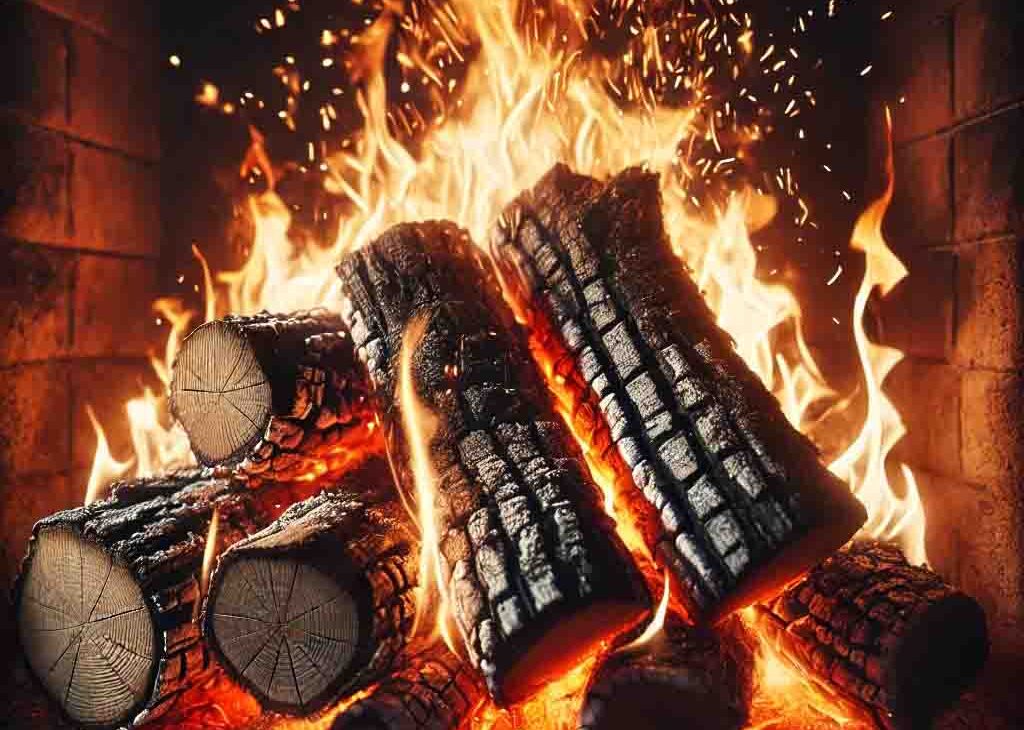
Let’s take a look at what you can expect:
- Pleasant Aroma: While not as aromatic as some other woods like cherry or apple, hemlock has a pleasant, subtle aroma when burned. It’s not overpowering, making it suitable for indoor use where a lighter scent is preferred.
- Moderate Heat Output: Hemlock produces a moderate amount of heat, typically around 15-18 million BTUs per cord, which is sufficient for milder winter conditions. However, it does not have the same high BTU rating as hardwoods like oak (24 million BTUs) or hickory (28 million BTUs). If you need sustained, high heat, hemlock may not be the best sole option.
- Fast Burn Rate: Being a softwood, hemlock burns relatively quickly. This means you’ll need to add more logs to keep your fire going compared to burning hardwoods. It’s ideal for a quick burst of heat rather than an all-night fire.
- Good for Kindling: Hemlock catches fire easily, making it a great choice for kindling or getting a fire started. It splits well, and its softwood nature makes it easy to ignite.
- Popping and Sparks: Hemlock is known for popping and sparking while burning. This can be a hazard if used in an open fireplace without a proper screen. Always use a fireplace with a door or a wood stove to minimise risks.
Related Article: How to Clean a Stone Fireplace
How Much Creosote Does Hemlock Produce?
Hemlock, like most softwoods, tends to produce more creosote compared to hardwoods.
Creosote is a by-product of burning wood, and it can accumulate in your chimney, increasing the risk of chimney fires if not managed properly.

Here’s what you need to know:
- Higher Creosote Production: Hemlock has a relatively high sap content, which contributes to increased creosote formation. When burned, the sap releases more volatile compounds, which condense in cooler parts of the chimney, forming creosote.
- Proper Seasoning Is Key: To minimise creosote buildup, make sure your hemlock is properly seasoned. Burning unseasoned or damp hemlock will produce even more creosote, as moisture prevents complete combustion and leads to more smoke and deposits.
- Regular Chimney Maintenance: If you’re using hemlock, it’s essential to clean your chimney regularly. Schedule annual inspections and cleanings to keep creosote levels in check and reduce the risk of chimney fires.
- Mix with Hardwoods: Mixing hemlock with hardwoods can help reduce the amount of creosote produced. Hardwoods burn hotter and more efficiently, which helps burn off some of the volatile compounds before they can condense.
Related Article: How to Clean Fireplace Glass
Best Types of Firewood
Here are some of the best types of firewood, along with their average BTU output per cord, to help you decide what’s best for your needs:
- Oak - 24 million BTUs per cord: Oak is a dense hardwood that burns slowly and produces high heat, making it one of the best choices for long-lasting fires.
- Hickory - 28 million BTUs per cord: Hickory is known for its high heat output and long burn time, making it perfect for cold winter nights.
- Maple - 23 million BTUs per cord: Maple provides a good balance between heat output and ease of splitting, making it a popular choice for firewood.
- Beech - 24 million BTUs per cord: Beech is another dense hardwood that provides high heat and burns steadily.
- Birch - 20 million BTUs per cord: Birch burns quickly and hot, making it great for kindling and fast heat, though it doesn’t last as long as other hardwoods.
Related Article: Preventing Mold in Wood Storage Areas
Best Way to Burn Hemlock?
Here are some tips to help you burn hemlock effectively:
- Season Well: The best way to burn hemlock starts with proper seasoning. Make sure your hemlock firewood has been seasoned for at least 6-12 months. Well-seasoned wood burns more efficiently, produces more heat, and reduces creosote buildup in your chimney.
- Use as Kindling: Hemlock is excellent for kindling due to its softwood nature. Start your fire with smaller pieces of hemlock to get the flames going quickly, then add larger logs to maintain the fire.
- Mix with Hardwoods: To improve the burn efficiency and extend the burn time, mix hemlock with hardwoods like oak or maple. Hardwoods burn hotter and longer, which compensates for hemlock’s faster burn rate.
- Burn in a Controlled Setting: Hemlock tends to pop and spark, so always burn it in a wood stove or a fireplace with a secure door. This will help contain the sparks and reduce the risk of accidents.
- Maintain Airflow: Ensure there is proper airflow in your fireplace or stove to facilitate complete combustion. Good airflow will help your fire burn hotter and more efficiently, reducing the amount of smoke and creosote produced.
- Avoid Overloading: Don’t overload your fireplace or stove with hemlock logs. Hemlock burns quickly, and overloading can lead to excessive heat and potentially damage your stove or fireplace.
Related Article: Dealing with Musty Fireplace Smells
How Should Hemlock Be Seasoned Before Using as Firewood?
Properly seasoning hemlock is crucial if you want it to burn efficiently and safely. Here’s how to season hemlock before using it as firewood:
- Cut and Split Early: Start by cutting and splitting your hemlock logs as soon as possible. Splitting the wood increases the surface area, allowing it to dry faster.
- Stack in a Dry Area: Stack the split hemlock in a dry, well-ventilated area. Make sure your stack is off the ground to prevent moisture from seeping in from below. Pallets work great for this.
- Allow Airflow: Stack the wood loosely to allow plenty of air circulation. Proper airflow is key to letting moisture escape and ensuring even drying.
- Cover the Top: Use a tarp or wood cover to keep rain and snow off your woodpile. However, leave the sides exposed to allow airflow. Avoid covering the entire stack, as this can trap moisture.
- Season for 6-12 Months: Hemlock needs at least 6-12 months to season properly. The exact time depends on your climate—warmer, drier conditions will speed up the seasoning process.
- Check Moisture Content: Use a moisture meter to check the wood before burning. Ideally, your hemlock should have a moisture content of 20% or less for optimal burning.
Is Hemlock Safe to Burn as Firewood?
Yes, hemlock is safe to burn as firewood as long as it’s properly seasoned. It may not be the top choice for many seasoned wood burners, but it can serve its purpose in the right circumstances.
Pros of Using Hemlock as Firewood
- Affordable and Easy to Source: Hemlock is often more affordable than other hardwoods and readily available in many areas, making it a cost-effective option for those on a budget.
- Decent Heat Output: Hemlock provides moderate heat. It won’t compare to hardwoods like oak or maple, but it will still keep you warm.
- Quick to Season: Hemlock dries faster than many hardwoods, usually taking around 6-12 months to season. This means you can have usable firewood faster if you’re in a pinch.
Cons of Using Hemlock as Firewood
- Low BTU Rating: Hemlock’s BTU (British Thermal Unit) rating is around 15-18 million BTUs per cord, which is significantly lower compared to hardwoods like oak (24 million BTUs) or hickory (28 million BTUs). This means it doesn’t burn as hot or as long, which can be a drawback if you rely on wood for primary heating.
- Popping and Sparks: Hemlock tends to pop and spark when burned, which makes it less ideal for open fireplaces without a screen. Always use a wood stove or fireplace with a door to contain sparks.
- Softwood Characteristics: Being a softwood, hemlock burns faster, meaning you’ll need more of it to maintain consistent heat.
Related Article: Cleaning Wood Heater Glass
How to Store Hemlock Firewood Properly
How to store hemlock firewood properly? Proper storage is key to ensuring your hemlock firewood stays dry and ready to burn. Storing hemlock firewood the right way will help it season correctly and maintain its quality over time. Here’s how to do it:
- Choose a Dry Location: Store your hemlock firewood in a dry area that’s protected from rain and snow. A woodshed or a covered area is ideal to keep moisture away from the wood.
- Elevate the Woodpile: Keep your firewood stack off the ground by using pallets or concrete blocks. This prevents ground moisture from seeping into the wood and helps with airflow.
- Stack Properly: Stack the firewood loosely to allow for good air circulation. Proper airflow helps the wood to dry evenly and prevents mould and rot.
- Cover the Top: Use a tarp or firewood cover to protect the top of the stack from rain and snow. Make sure to leave the sides open to allow air to circulate freely. Covering the sides can trap moisture and slow down the drying process.
- Avoid Stacking Against Walls: Avoid stacking firewood directly against walls or fences, as this can reduce airflow and cause moisture buildup. Leave some space between the stack and any solid surface.
- Keep It Away from Your Home: Store firewood at least 20 feet away from your home to reduce the risk of pests like termites or ants making their way inside.
- Rotate Older Wood to the Front: When adding new wood to your stack, make sure to keep the older, more seasoned wood at the front so it gets used first. This ensures that your firewood doesn’t sit too long and degrade in quality.
Related Article: How to Keep a Windowless Bathroom Fresh
Is Hemlock Good Firewood for You?
Hemlock can be a decent option if you’re looking for something affordable and easy to source, especially for mild weather or as kindling. However, if you’re seeking high heat output and long-lasting burns, you’re better off supplementing hemlock with a more efficient hardwood. The answer to “is hemlock good firewood?” really depends on your specific heating needs.
FAQs About Hemlock Firewood
Is hemlock safe to burn indoors?
Yes, hemlock is safe to burn indoors as long as it’s properly seasoned. Just be cautious of its tendency to spark and always burn it in a controlled environment.
How long does it take to season hemlock?
Hemlock typically takes about 6-12 months to season properly. Make sure it’s stored in a dry, well-ventilated area to speed up the process.
Does hemlock create a lot of creosote?
Like most softwoods, hemlock can produce more creosote if it’s not well-seasoned. Ensure it’s dry before burning to minimise creosote buildup.
Is hemlock good for kindling?
Yes, hemlock makes excellent kindling because of its softwood nature. It splits easily and catches fire quickly, making it perfect to start your fire.
Related Article: Dealing with Musty Gas Fireplace Smells
Final Thoughts: Is Hemlock Good Firewood?
Hemlock is good firewood if you’re looking for an affordable, fast-burning wood that’s easy to find. However, it’s not the best for long, cold nights when you need high heat. Mix it with hardwoods, season it well, and keep safety in mind when burning. Hemlock has its place, but whether it’s right for you depends on your specific needs.

About The Author: Hi, I’m Jessica. I’m a Mom of 2 and I love DIY hacks, home decor ideas and non-toxic cleaning tips. I created this website to share my knowledge with a community of like-minded people who love simple, easy and safe ways to keep their home clean and inspiring. I hope you enjoy!